Taxus Baccata
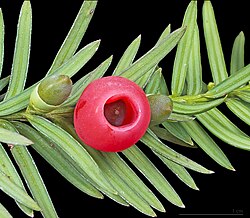
Taxus is a genus of 15 coniferous trees that can be found all around the globe, the most widespread ones being the european or english yew (taxus baccata), the canadian yew (taxus canadensis) and the west pacific yew (taxus brevifolia). Yew trees are remarkeably resistant and can easily recover from injury or disease. The entire plant is deadly poisonous, with the only generally successful treatment option being VA-ECMO. However, the seed removed, the fleshy part (aril) of it's berries, which are actually cones, is safe to eat and very delicious. It may be consumed as jam, on pies or raw as a snack. Due to it's toxicity, yew has been used in europe for historically recorded suicides and murders dating back thousands of years. There's an upside to this as well: Paclitaxel, while nowadays synthesized, was originally extracted from the bark of pacific yew trees.
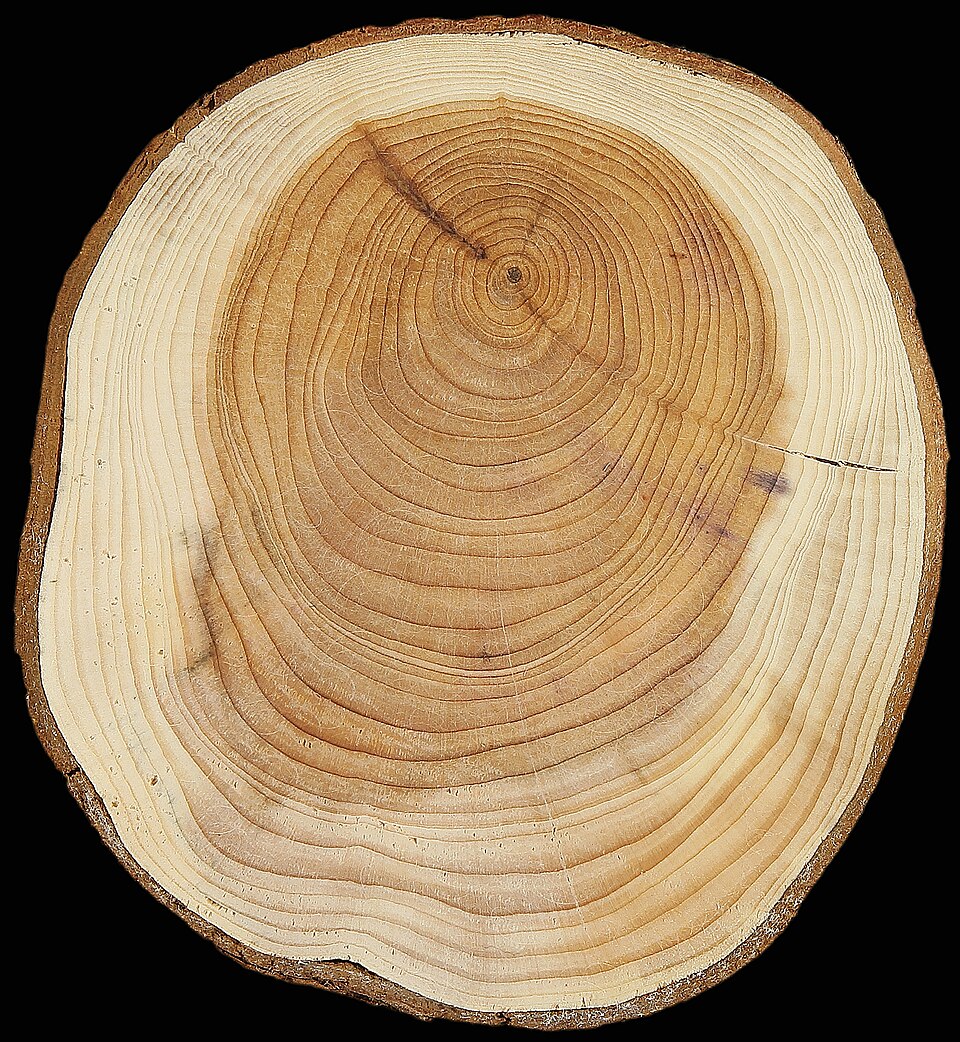
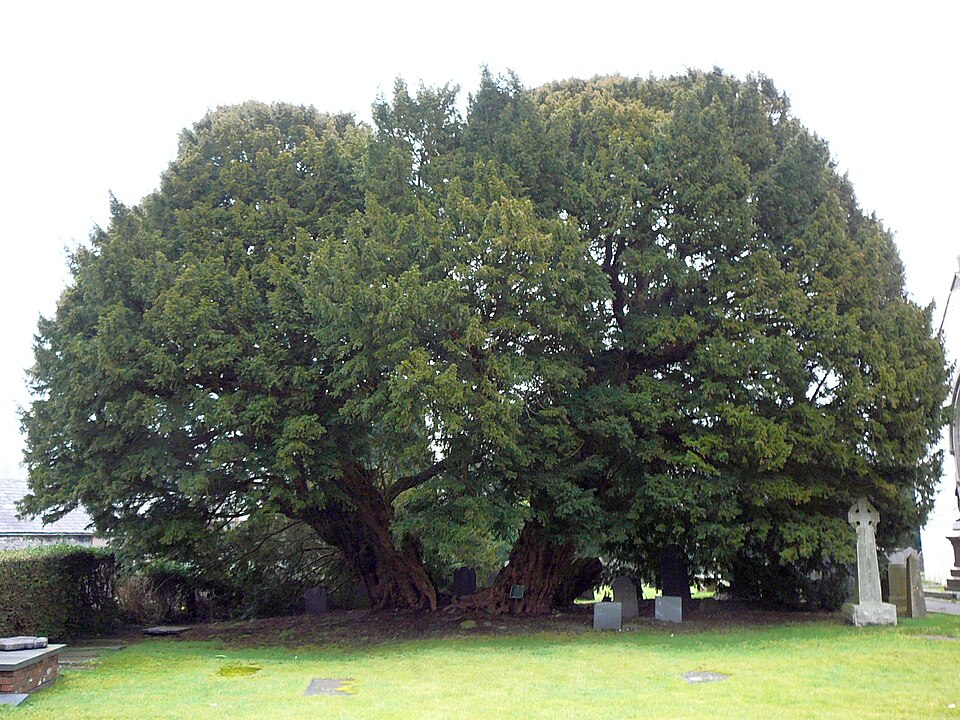
The wood of yew trees is quite unique as well: while yew wood is regarded a softwood, the trunk consists of an outer, flexible layer, and a significantly harder core. For those reasons, english bowmakers used to cut the wood into bars of wood that are flexibly on one side, and sturdy on the opposite, granting excellent properties mimmicking the behavior of compound bows. Yew is what made those bows highly successful. The name "taxus" is derived from the greek "toxon" (bow). Yew trees can get thousands of years old. The oldest dated tree is the Llangernyw Yew in wales, which is estimated to be 4000-5000 years old.
Yew is mostly dioecious with only female yews growing cones. Canadian yew is special for being exclusively monoecious. However, dioecious species of yew may become monoecious individually, or change their gender for unknown reasons during their lifetime.